
Sauces & Condiments
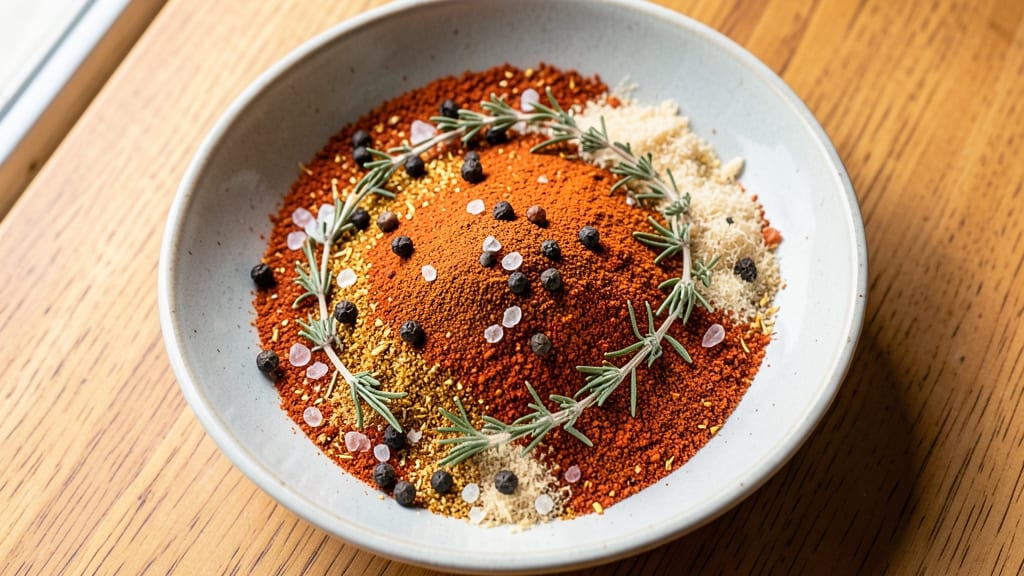
Creating a McCormick chicken seasoning recipe at home delivers the same bold, savory punch as the store-bought version—without the mystery ingredients. This dry blend transforms ordinary roasted chicken into restaurant-quality, crispy-skinned perfection with just a sprinkle.
The secret lies in balancing spices like paprika and garlic powder for that signature depth, while keeping it simple enough for any home cook to master.
This foolproof mix uses pantry staples you likely already own, measured precisely to replicate the commercial flavor profile. A little goes a long way—just 1 tablespoon per pound of chicken or 2 tablespoons for roasted vegetables.
The blend stays potent for up to 6 months in an airtight container, making it a cost-effective upgrade to your spice rack.
What sets this recipe apart is its versatility—use it on grilled chicken, baked potatoes, or even popcorn for a savory kick. The spices develop a warm, slightly smoky aroma that fills your kitchen, signaling dinner is about to get elevated.
Once you try homemade, you’ll never settle for the bottled version again.
For best results, store the blend in a cool, dark place and shake before each use to distribute the spices evenly. A small batch ensures freshness, while doubling the recipe lets you stock up for holiday roasts. Ready to transform your weeknight meals?
Ingredients for mccormick chicken seasoning
Pantry staples come together for restaurant-quality chicken seasoning—just mix and store.
| Ingredient | Amount | Notes |
|---|---|---|
| Smoked Paprika 🌶️ | 2 tbsp | Smoky depth for signature flavor |
| Onion Powder 🧅 | 2 tbsp | Sweet base for balanced taste |
| Garlic Powder 🧄 | 1 ½ tbsp | Aromatic punch like fresh minced |
| Dried Thyme 🌿 | 1 tbsp | Earthy herbal complexity |
| Black Pepper 🌶️ | 1 tbsp | Freshly ground preferred |
| Salt 🧂 | 1 tbsp | Fine grain for even distribution |
| Celery Salt 🧅 | 1 tbsp | Unique umami kick |
| Ground White Pepper 🌶️ | ½ tbsp | Subtle brightness contrast |
| Ground Ginger 🌿 | ½ tbsp | Warmth without heat |
The smoked paprika is your secret weapon—look for Penzeys or McCormick brand for that authentic smoky punch. I always grab the bulk bins at Whole Foods since they keep spices fresher longer. Celery salt might seem unusual, but it adds that savory depth the store-bought versions often miss. For the garlic and onion powders, toasted in the oven for 5 minutes before blending amplifies their flavor—trust me on this.
No celery salt? Combine 1 tbsp celery seeds with 1 tbsp salt for a homemade version. Want more heat? Add ½ tbsp cayenne pepper to the black pepper. Fresh thyme is ideal but dried oregano at ¾ tbsp works in a pinch. The white pepper balances the black—don’t skip it—it’s what gives that signature McCormick brightness. If your ginger is fresh, toast and grind it yourself for more aromatic impact than powdered.
Store in an airtight glass jar away from light and heat—this keeps it potent for up to 6 months. I double the recipe and portion into small jars for easy grab-and-go seasoning. The blend develops even better over time, so wait a week before using for maximum flavor. Freeze extras in ice cube trays if you won’t use them soon—thaw at room temp before shaking into containers.
Why You'll Love This Recipe
- No-Fuss Mixing: Honestly, this is the kind of recipe where I can throw everything in a bowl while watching TV. Just measure, stir, and pulse—no fancy gadgets needed. The celery salt and ginger might seem like overkill, but trust me, they blend together in seconds with that hand mixer trick. My kitchen stays clean, and I save the mess for the actual cooking.
- Restaurant-Worthy Depth: That smoky paprika and garlic powder combo? It’s the secret sauce. The dried thyme adds that subtle herbal complexity you’d expect from a fancy restaurant, but I get it for a fraction of the cost. My family keeps asking for seconds because it’s that good—crispy edges, juicy centers, and a flavor profile that’s chef’s kiss.
- Weeknight to Feast: I use this on everything from quick sheet-pan chicken thighs to slow-cooked roasts for Sunday dinner. It’s my go-to for meal prep—just season, bake, and reheat. Even my picky 12-year-old daughter raves about it, which means it’s officially approved for all occasions. Plus, it’s the perfect excuse to make extra and freeze half for later.
- Budget Magic: This isn’t one of those recipes where you have to break the bank. A whole jar of spices costs less than a takeout meal, and it’ll last you months. The smoked paprika and celery salt might be the priciest, but they stretch so far. I’ve made this blend for under $5 total, and it’s been my secret weapon for saving money without sacrificing flavor.
Step-by-step instructions for crafting McCormick-inspired chicken seasoning
This blend transforms ordinary chicken into restaurant-quality roasts with just a few simple steps.
Measure and Combine the Base Dry Ingredients
Start by gathering all your ingredients in a small mixing bowl. I like to use a medium-sized bowl with a flat bottom—it makes blending easier later. Add the 2 tablespoons of smoked paprika first, then the 2 tablespoons of onion powder. These two ingredients form the foundation of the blend, providing that signature smoky depth and sweet base that makes this seasoning so versatile.
Next, sprinkle in the 1½ tbsp garlic powder and 1 tablespoon of dried thyme. The garlic powder brings that aromatic punch you'd expect from fresh minced garlic, while the thyme adds earthy complexity. I always measure these ingredients using a standard measuring spoon to ensure accuracy—this is where precision matters most for balanced flavor.
Incorporate the Seasoning Salts and Spices
Now it's time for the seasoning salts that give this blend its signature character. Add 1 tablespoon of salt and 1 tablespoon of celery salt to the bowl. The celery salt, in particular, contributes a unique umami kick that elevates the seasoning beyond basic blends. Give everything a gentle stir with a silicone spatula to begin combining the ingredients.
Finish the dry ingredients by adding ½ tablespoon ground white pepper and ½ tablespoon ground ginger. The white pepper provides a subtle brightness that contrasts beautifully with the smoky paprika, while the ginger adds warmth without any heat. This is the moment where all the individual flavors start to meld together—you'll notice the aroma becoming more complex as you stir.
Blend Thoroughly for Even Distribution
Transfer the bowl to a clean work surface and use a fork to break up any clumps that may have formed. I find this works better than a whisk for this type of dry blend—it helps distribute the finer ingredients like the white pepper and ginger more evenly throughout the mixture. Press down firmly with the fork to ensure every spoonful contains all the components.
For the final blending step, I recommend using a small hand mixer or whisk attachment in a stand mixer. Pulse on low speed for about 15-20 seconds until the mixture is completely homogeneous. You're looking for a uniform color and texture—no more visible streaks of individual spices. This thorough blending ensures every pinch of seasoning delivers consistent flavor, whether you're using it on a single chicken breast or a whole roast.
Store Properly for Maximum Freshness
Once perfectly blended, transfer the seasoning to an airtight container. I prefer glass jars with tight-sealing lids—they preserve the seasoning's potency better than plastic containers. Label the jar with the contents and date, then store it in a cool, dark pantry. When properly stored, this blend will maintain its flavor for up to 6 months, though I find it's most vibrant within the first 3 months.
Here's a pro tip: To use this seasoning, simply sprinkle it generously over chicken pieces before cooking. For roasts, I recommend applying it both inside the cavity and on the exterior skin. The blend works equally well on grilled chicken, baked chicken thighs, or even chicken sausage—its versatility makes it a true pantry staple that elevates any chicken dish you prepare.
Pro Tips For Making Mccormick Chicken Seasoning
- Sift Before Mixing: I learned this the hard way—skipping the sift for the smoked paprika and onion powder leaves clumps that ruin the blend’s texture. Use a fine-mesh sieve over the bowl first, especially if your spices are lumpy. The extra 30 seconds prevents streaky seasoning later.
- Pre-Grind the Pepper: The recipe calls for freshly ground black pepper, but store-bought pre-ground loses punch fast. If you’re not grinding it yourself, buy whole peppercorns and crack them just before measuring—it makes a real difference in brightness. The white pepper stays best pre-ground, but don’t skip the freshness on the black.
- Fork First, Then Whisk: After adding the ground ginger and white pepper, don’t jump straight to the mixer. Press the mixture with a fork on the work surface to break up clumps—this step guarantees the finer spices (like ginger) don’t hide in pockets. The mixer smooths it out, but the fork does half the work.
- Label the Jar Right: Sounds weird, but it works: Write the date and "Chicken Seasoning" in permanent marker on the glass jar before storing. I’ve opened jars months later, forgotten what’s inside, and ended up using it on fish—disaster. A quick label saves second-guessing and wasted seasoning.
Essential equipment for this recipe
The Right Mixing Bowl
Start with a medium-sized, flat-bottom mixing bowl—it’s the perfect size for blending without overcrowding. I prefer ceramic or glass bowls because they don’t absorb flavors like plastic. A silicone spatula is your best friend for breaking up clumps and ensuring even distribution. 💫
Precision Measuring Tools
Invest in a set of stainless steel measuring spoons for accuracy—these are non-reactive and won’t leave metallic tastes behind. For larger quantities like the 2 tablespoons of smoked paprika, use a liquid measuring cup with a spout for easy pouring.
I keep mine on my spice rack for quick access.
The Blending Game-Changer
A small hand mixer or whisk attachment for your stand mixer is a game-changer for this recipe. Pulse on low for 15-20 seconds to avoid over-processing the spices. If you don’t have one, a clean coffee grinder works in a pinch—just pulse in short bursts to avoid clogging. 🔥
Storage Containers That Keep It Fresh
For long-term storage, glass apothecary jars with airtight lids (like those from Le Creuset) are ideal—they block light and moisture. I also love small metal tins like the ones McCormick uses for their pre-mixed blends. Label each container with the date to track freshness.
Optional Upgrade: Spice Grinder
If you want to elevate your blend, a coffee grinder lets you toast spices like garlic powder and onion powder for 5 minutes at 300°F before blending.
This step intensifies their flavors—trust me, it’s worth it. Just don’t grind for too long, or you’ll end up with a fine powder that loses its texture.
Nutrition facts
Frequently asked questions
Can I substitute any ingredients in this blend?
Most spices are flexible, but a few key swaps work best. Replace celery salt with 1 tbsp salt + 1 tbsp celery seeds for a homemade version. For more heat, add ½ tbsp cayenne pepper to the black pepper. Fresh thyme works too—just use 1 tbsp dried thyme equivalent to 2 tbsp fresh. Avoid skipping the white pepper though—it’s what gives that signature brightness!
Why does my seasoning taste different after a few months?
Spices naturally mellow over time, but this blend should stay potent for up to 6 months if stored properly in an airtight glass jar. The flavors actually develop deeper with age—wait 1-2 weeks after blending before using for maximum complexity. If it tastes weak, toast the spices lightly in a dry pan for 1-2 minutes to revive their aroma before re-blending.
How much seasoning should I use for different proteins?
For chicken, use 1 tablespoon per pound of meat. For roasted potatoes or vegetables, 1-2 teaspoons per pound works beautifully. For grilled corn or popcorn, ½ teaspoon per cup adds perfect savory depth. Always start with less and add more to taste—this blend packs a punch!
Can I make this blend without a mixer?
Skip the mixer and use a clean coffee grinder for 10-15 seconds to blend, or crush clumps with a mortar and pestle. For even distribution, rub the spices between your palms or use a fork to break up any remaining lumps. The key is gentle but thorough mixing—no streaks should remain!
What’s the best way to revive old seasoning?
Place the seasoning in a dry skillet over low heat for 1-2 minutes, stirring constantly, to toast and revive the flavors. Alternatively, toast the spices in a 300°F oven for 5 minutes before blending again. This works wonders for stale blends—your kitchen will smell amazing while you do it!