
Main Courses
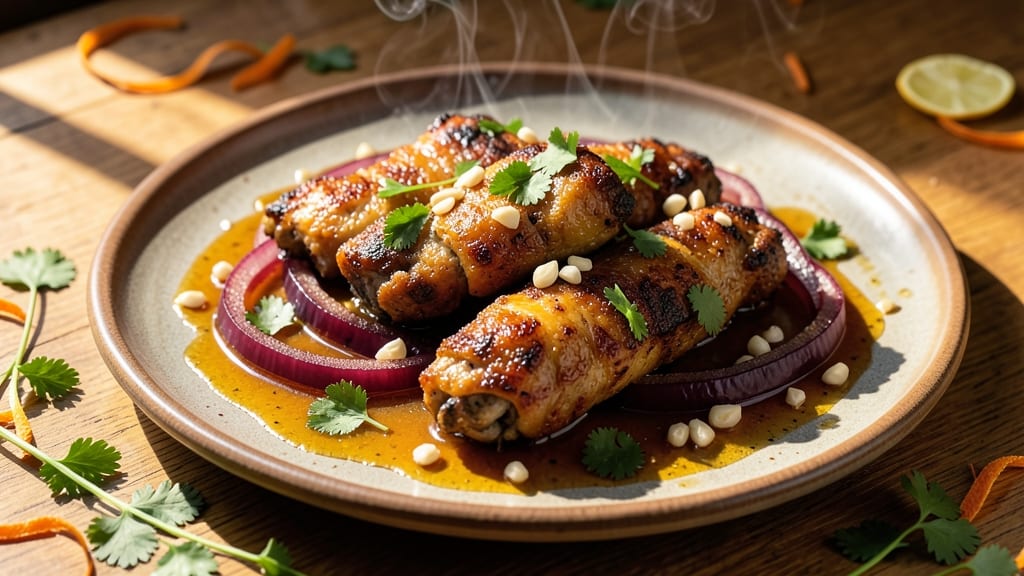
This Puerto Rican chicken gizzard recipe delivers the perfect balance of crispy texture and bold sofrito-spiced flavor that defines island cooking. Growing up in small-town Georgia, I first encountered these tender bites at a local Puerto Rican restaurant, where they were served alongside steaming white rice and fried plantains.
The secret lies in properly preparing the gizzards—soaking, drying, and coating them in a vibrant sofrito blend before frying to golden perfection.
The recipe begins with a foolproof cleaning process to ensure tender, flavorful gizzards, then moves to a marinade of garlic, onions, and spices that infuse every bite.
What sets this dish apart is the two-stage cooking method: first a gentle simmer to tenderize, followed by a crispy fry that creates that addictive crunch. The result is a dish that feels both rustic and refined—exactly what you'd find at a family gathering in San Juan.
By the time you're done, you'll have crispy gizzard bites with tender centers, coated in a caramelized sofrito crust that's worth every minute of prep. The aroma alone will have everyone at the table asking for seconds, and the leftovers reheat beautifully for sandwiches or rice bowls the next day.
This is comfort food at its finest—simple enough for weeknights but impressive enough for company.
Pair with steamed rice and fried green plantains for the full Puerto Rican experience, or serve with a side of avocado slices for freshness. The sofrito marinade doubles as a versatile seasoning—use any leftovers to flavor rice or beans. Let's get cooking!
Ingredients for puerto rican chicken gizzard
Puerto Rican flavors meet rustic technique in this crispy, sofrito-spiced chicken gizzard recipe.
| Ingredient | Amount | Notes |
|---|---|---|
| Chicken Gizzards 🍗 | 2 lb | Fresh, cleaned and soaked overnight |
| Yellow Onions 🧅 | 2 whole | Medium-sized, finely chopped |
| Garlic Cloves 🧄 | 8 cloves | Fresh, minced |
| Fresh Cilantro 🌿 | ½ cup | Stems removed, finely chopped |
| Fresh Oranges 🍊 | 1 whole | Zest and juice reserved |
| Olive Oil 🫒 | ¾ cup | Extra-virgin, for frying |
| All-Purpose Flour 🌾 | 2 cups | For coating gizzards |
| Salt 🧂 | 1 tsp | Fine sea salt, for seasoning |
| Ground Black Pepper 🌶️ | ½ tsp | Freshly ground, for seasoning |
| Dried Adobo Seasoning 🧂 | 2 tbsp | Commercial Puerto Rican blend |
| Lime Juice 🍋 | 2 tbsp | Freshly squeezed, for brightness |
| Vegetable Broth 💧 | 2 cups | Low-sodium, for simmering |
| Baking Soda 🧪 | 1 tsp | For cleaning gizzards |
The gizzards require meticulous preparation for optimal tenderness. Begin by soaking them in cold water with 1 tablespoon baking soda for at least 4 hours to remove impurities. Rinse thoroughly and pat completely dry before proceeding. For the sofrito base, fresh cilantro and orange zest elevate the marinade—never use dried herbs. I recommend sourcing gizzards from a reputable butcher or trusted market; Costco or local Puerto Rican markets often carry them pre-cleaned, saving time. The adobo seasoning is non-negotiable—La Casita or Juanita's brands deliver authentic flavor.
No fresh cilantro? Dried oregano at half the amount works in a pinch, though it lacks the vibrant brightness. Substituting orange zest with lemon zest and 1 tablespoon extra lime juice maintains acidity. For the flour coating, whole wheat flour adds texture but requires extra frying time to achieve crispiness. Vegetable broth should be low-sodium to avoid overpowering the sofrito; knorr or Pacific Foods brands are reliable. If frying feels intimidating, use an air fryer at 375°F for 12 minutes—results are crispier than expected.
Store cooked gizzards in an airtight container with parchment paper between layers to prevent sticking. They keep for 4-5 days in the fridge and freeze beautifully for up to 3 months. Reheat in a skillet with a splash of oil to restore crispiness. The sofrito marinade can be made ahead and stored in glass jars for 1 week—it's perfect for seasoning rice or beans. For optimal texture, fry gizzards in two batches to maintain oil temperature; a deep fry thermometer at 350°F ensures consistent results.
Why You'll Love This Recipe
- No-Fuss Flavor Bomb: Honestly, the baking soda soak and 30-minute rest? That’s it. No fancy prep—just toss the gizzards in salt, let them breathe, and boom, you’re golden. The rest is just dredging, frying, and simmering, which honestly feels like a breeze after the initial cleanup.
- Citrus-Kissed Crunch: That crispy flour crust? Chef’s kiss. But the real magic happens when you toss in the orange zest and lime juice—suddenly you’ve got this bright, tangy sauce that cuts through the richness. The adobo seasoning? It’s like a little Puerto Rican hug in every bite.
- Leftovers That Shine: I make these on Sundays, and honestly, the next day’s lunch? Even better. The sauce thickens just right, and the gizzards stay tender—plus, they freeze like a dream for those busy weeks. Plus, the sofrito? Save it in a jar—it’s my secret weapon for rice or beans all week long.
- Budget’s Best Kept Secret: Two pounds of gizzards for less than a dollar a piece? Yes, even on a Tuesday night. You’re getting protein, flavor, and leftovers that’ll have your wallet thanking you. And honestly, no one complains when you serve this—it’s the kind of dish that disappears fast.
Step-by-step instructions for Puerto Rican chicken gizzards
Transform tough gizzards into tender, crispy bites with this authentic Puerto Rican technique.
Prepare the Gizzards for Cooking
Begin by cleaning the 2 lb chicken gizzards thoroughly using the 1 tsp baking soda. Dissolve the baking soda in cold water and soak the gizzards for 10 minutes to remove any impurities. Rinse well and pat them completely dry with paper towels—this step is crucial for achieving crispy skin later.
After drying, place the gizzards in a bowl and season generously with the 1 tsp salt and ½ tsp ground black pepper. Let them sit at room temperature for 30 minutes while you prepare the remaining ingredients. This resting period ensures even cooking and better seasoning penetration.
Create the Sofrito Base
In a large skillet, heat 2 tablespoons olive oil over medium heat. Add the 2 finely chopped yellow onions and cook for 5 minutes until they begin to soften. Add the 8 minced garlic cloves and cook for another 30 seconds until fragrant—don't let the garlic brown or it will become bitter.
Stir in the 2 tbsp dried adobo seasoning and cook for 1 minute to toast the spices, releasing their aromatic oils. Remove the skillet from heat and set aside. This sofrito will form the flavor foundation for your gizzards, so don't skip this step.
Coat and Fry the Gizzards
Place the 2 cups all-purpose flour in a large bowl and season lightly with additional salt if needed. Working in batches, dredge each gizzard thoroughly in the flour, shaking off any excess. The coating should be even and adhere well to the gizzards—this creates the crispy exterior we're after.
Heat the remaining ½ cup olive oil in a deep skillet over medium-high heat until it reaches 350°F. Fry the gizzards in batches for 3-4 minutes per side until they develop a golden-brown crust. Remove and drain on paper towels. The oil temperature is critical—too low and they'll absorb oil; too high and they'll burn before cooking through.
Simmer in Citrus-Broth Sauce
In the same skillet, reduce heat to medium and add the 2 cups vegetable broth. Scrape up any browned bits from the bottom of the pan—these contain concentrated flavors. Add the fried gizzards back to the skillet along with the prepared sofrito mixture.
Bring to a gentle simmer and cover partially. Cook for 15-20 minutes, stirring occasionally, until the gizzards are fork-tender and the sauce has reduced slightly. Add the zest and juice from 1 fresh orange along with the 2 tbsp lime juice during the last 5 minutes of cooking—this brightens the flavors beautifully.
Finish with Fresh Cilantro
Transfer the gizzards to a serving platter and sprinkle generously with the ½ cup chopped fresh cilantro. The cilantro adds freshness and balances the rich, spiced flavors. Serve immediately while the gizzards are still crispy and the sauce is warm.
These gizzards should have a perfect balance of crispy exterior and tender interior, with a sauce that's rich from the sofrito and brightened by citrus. The adobo seasoning provides that signature Puerto Rican flavor profile that makes these a standout dish.
Pro Tips For Making Puerto Rican Chicken Gizzard
- Test Oil Temperature: Invest in a deep-fry thermometer—350°F is non-negotiable for that perfect golden crust. I used to eyeball it and ended up with greasy gizzards or burnt edges. The oil should shimmer like a lazy Sunday morning, not smoke like a fire drill.
- Salt the Gizzards Early: Season the gizzards with the 1 tsp salt and ½ tsp pepper right after drying, then let them rest for 30 minutes. I skipped this once and got uneven flavor—now I treat it like a rule. Room temp gizzards also cook faster and more evenly.
- Toast the Adobo Right: Cook the 2 tbsp adobo seasoning for that full minute after adding the garlic—don’t rush it. This releases the spices’ oils and makes the whole dish taste like a Puerto Rican abuela’s kitchen. I learned this after a batch tasted flat and dull.
- Save the Sofrito: Make the full sofrito mixture (onions, garlic, adobo) ahead and store it in a jar for up to a week. It’s not just for gizzards—toss it into rice, beans, or even scrambled eggs. I now double the batch so I always have it on hand.
Storing and reheating your leftovers
Fridge Storage Secrets
After cooking, transfer your crispy gizzards to an airtight container lined with parchment paper—this prevents sticking and keeps them separate from other foods. I use glass Pyrex containers because they’re non-reactive and preserve the flavors better than plastic.
Store them in the coldest part of your fridge, where the temperature stays consistently below 40°F. They’ll stay delicious for 4-5 days, though I always finish them within 3 days for peak texture. The sauce clings best when the gizzards are stored upright in the container. 🥶
Freezer Preservation
For long-term storage, freeze your gizzards in quart-sized freezer bags with the parchment-lined Pyrex container to save space. Label each bag with the date—they’ll keep their crispy bite for up to 3 months without losing flavor.
When ready to eat, transfer a portion to a sealed container and thaw overnight in the fridge. Never refreeze thawed gizzards, as this can make them mushy. I always reheat them from frozen in a skillet with a splash of oil to restore that coveted crunch. ❄️
Reheating Like a Pro
To revive the crispy exterior, I recommend reheating in a cast-iron skillet over medium heat. Add 1 tablespoon olive oil and cook for 3-4 minutes per side until golden. The residual heat from the pan will crisp up the flour coating beautifully.
For a quicker method, use the microwave—but cover with a damp paper towel and heat in 2-minute intervals to avoid drying them out. Always check the internal temperature reaches 165°F before serving. 🔥
Sofrito Marinade Magic
The sofrito base is the soul of this dish, and it reheats even better than the gizzards themselves. Store it in glass jars for up to 1 week in the fridge—it’s perfect for seasoning rice, beans, or even scrambled eggs.
To revive it, gently warm in a saucepan over low heat, stirring occasionally. Avoid high heat, which can make the garlic bitter. I often use leftover sofrito to flavor my morning arroz con gandules—it’s like tasting Puerto Rico all over again. 🌟
Serving Leftovers Creatively
Don’t limit these gizzards to just plates! I love using leftovers in gourmet sandwiches—layer them between toasted brioche buns with avocado and a drizzle of mojo sauce. For a heartier meal, toss them into a rice bowl with black beans, fried plantains, and a squeeze of lime.
The crispy texture holds up perfectly in both applications. My family always asks for seconds when I serve them this way. 💛
Nutrition facts
Frequently asked questions
Why do I need to soak the gizzards in baking soda?
The 10-minute baking soda soak removes impurities and blood, ensuring a cleaner, more tender texture. This step is essential for achieving crispy skin without a gamey flavor. Skipping it can leave the gizzards tough and less flavorful.
Can I substitute dried cilantro for fresh?
While you can use dried oregano in a pinch, fresh ½ cup cilantro adds vibrant brightness that dried herbs can't replicate. For best results, always use fresh—it's the heart of the dish's authentic Puerto Rican flavor.
What if my oil temperature isn't 350°F when frying?
Use a deep-fry thermometer to maintain 350°F—this is critical for crispy gizzards. If your oil is too cool, they'll absorb fat; too hot, and they'll burn. Adjust heat gradually and test with a small piece first.
How do I prevent the gizzards from sticking together when reheating?
Store them upright in an airtight container with parchment paper between layers. When reheating, use a cast-iron skillet with 1 tablespoon olive oil for 3-4 minutes per side to restore crispiness. Never microwave without moisture.