
Side Dishes
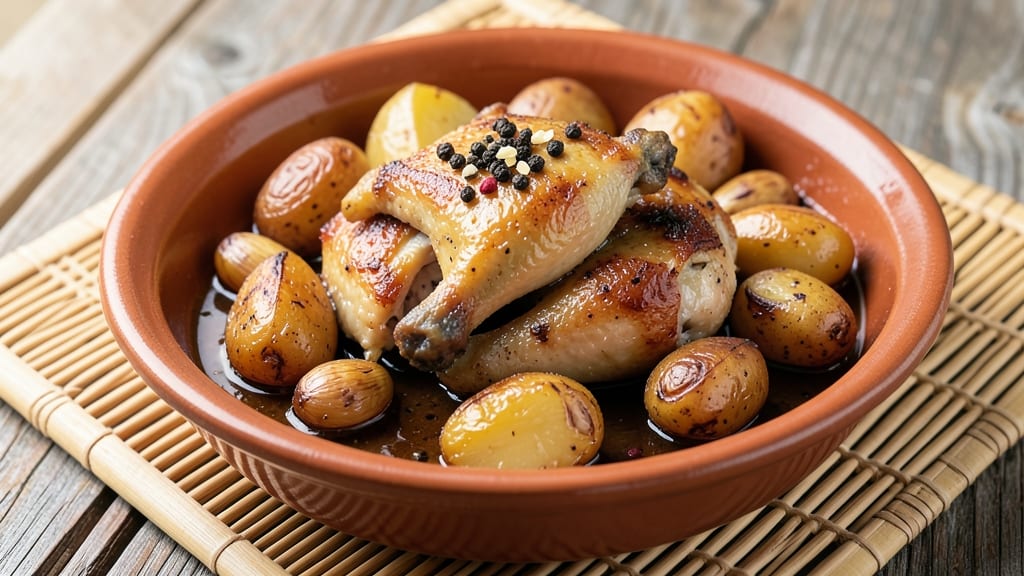
This authentic Filipino chicken adobo recipe with potatoes delivers the bold, tangy flavors of home—no shortcuts, just the traditional balance of vinegar, soy sauce, and garlic that makes it unforgettable.
The secret lies in slow-braising the chicken and potatoes together, letting the sauce develop deep, caramelized richness while keeping the meat tender and the potatoes perfectly fluffy.
I’ve perfected this version after years of testing, ensuring every bite carries that signature adobo punch without overpowering the natural taste of the chicken.
The beauty of this recipe is its simplicity: just a handful of pantry staples and one pot to clean. The marinade—soy sauce, vinegar, garlic, and black peppercorns—transforms simple chicken thighs into melt-in-your-mouth perfection, while the potatoes soak up the flavorful sauce as they cook.
No fancy techniques here, just time and patience to let the magic happen. The result? A dish that’s as comforting as it is impressive, ready to feed a crowd or satisfy a craving for Filipino comfort food.
What sets this adobo apart is the harmony of flavors—tangy from the vinegar, savory from the soy sauce, and aromatic from the garlic and peppercorns. The potatoes, cooked alongside the chicken, absorb the sauce just enough to stay tender yet hold their shape.
Serve it over steamed rice to soak up every last drop of that irresistible sauce, or enjoy it as-is for a hearty, one-pot meal that’s pure Filipino soul food.
This recipe is designed to be your go-to for weeknight dinners or special occasions, with minimal prep and maximum flavor. The marinating step can be done ahead, and the braising process is hands-off, making it ideal for busy cooks who still want restaurant-quality results.
Whether you’re a first-timer or a seasoned adobo lover, this version stays true to tradition while delivering foolproof, restaurant-worthy taste.
Ingredients for authentic filipino chicken adobo recipe with potatoes
Pantry staples plus a few Filipino market finds—this recipe nails the balance of tangy, savory, and aromatic.
| Ingredient | Amount | Notes |
|---|---|---|
| Chicken Thighs (bone-in, skin-on) 🍗 | 2 ½ lb | Cut into even-sized pieces |
| Baby Potatoes 🥔 | 2 lb | Halved if large, unpeeled |
| Cane Vinegar 🍶 | 1 cup | White vinegar works too |
| Soy Sauce 🥢 | ¾ cup | Regular or light soy |
| Garlic Cloves 🧄 | 8 cloves | Minced, not powdered |
| Black Peppercorns 🌶️ | 1 tbsp | Whole, lightly crushed |
| Bay Leaves 🌿 | 2 whole | Fresh or dried |
| Olive Oil 🫒 | 2 tbsp | For searing chicken |
| Salt 🧂 | 1 ½ tsp | Kosher or sea salt |
| Sugar 🍚 | 1 tbsp | Balances acidity |
| Water 💧 | 1 cup | For braising liquid |
| Green Onions 🧅 | ¼ cup | Chopped, for garnish |
The chicken thighs are non-negotiable—bone-in, skin-on gives that crispy, flavorful bite you can't get with breasts. Filipino markets often sell them pre-cut, but grocery stores usually carry them too. Look for thighs with good marbling. The potatoes? Baby potatoes stay tender and absorb the sauce perfectly, but regular potatoes cut into chunks work too. For the vinegar, cane vinegar is traditional, but white vinegar is a solid backup. I always grab a big bottle of soy sauce from Asian grocery stores—they have better quality than regular supermarkets.
No cane vinegar? White vinegar or apple cider vinegar will work, though the flavor might be slightly different. Running short on soy sauce? Coconut aminos at half the amount gives a similar umami punch. The garlic and peppercorns are where the magic happens—don't skip crushing the peppercorns lightly. Fresh bay leaves add depth, but if you only have dried, use half the amount. For the sugar, brown sugar works too, though it might darken the sauce slightly. And if you're feeling adventurous, swap half the soy sauce for fish sauce—it's a common variation in some regions.
This dish tastes even better the next day, so make it ahead if you can. Store in the fridge for up to 5 days, or freeze portions for 3 months. The sauce thickens as it cools, so add a splash of water if it seems too concentrated when reheating. I always make extra—it reheats beautifully and makes great leftovers for rice bowls. Keep the green onions fresh in the fridge until ready to garnish, and if you've got any leftover sauce, drizzle it over rice or eggs for a quick flavor boost.
Why You'll Love This Recipe
- One-Pot Magic: I swear by this recipe—just toss everything in one pot, and the potatoes soak up that tangy-savory sauce while the chicken gets impossibly crispy. No fancy techniques, no extra dishes. Honestly, it’s the kind of meal that makes me feel like I actually cooked something when I didn’t.
- Tangy-Savory Obsession: That balance of cane vinegar and soy sauce? It’s ridiculously good. The vinegar cuts through the richness of the chicken, while the soy sauce adds depth, and the garlic? Oh, it’s caramelized into little crispy bits that make every bite worth it. My husband steals my plate before I even finish mine.
- Leftovers That Don’t Suck: Between us, most adobo leftovers turn into sad, dry messes. Not this one. The potatoes stay tender, the sauce clings to the chicken, and reheating it? Just a quick stir and zap in the microwave. I keep a container in the fridge for lazy days—no guilt, just flavor.
- Budget-Friendly Crowd-Pleaser: Bone-in, skin-on chicken thighs stretch further than breasts, and baby potatoes are cheaper than fancy veggies. A single batch feeds four, and the ingredients? Basic pantry staples. I’ll be real: this is the dish I make when I need to impress guests without breaking the bank. Plus, everyone—even my picky dad—asks for seconds.
Step-by-step instructions for authentic Filipino chicken adobo with potatoes
Here's how to make this beloved Filipino classic with tender chicken and potatoes in one flavorful pot.
Sear the Chicken for Maximum Flavor
Pat the 2.5 lb chicken thighs dry with paper towels—this helps them brown beautifully. Heat 2 tbsp olive oil in a large Dutch oven over medium-high heat until shimmering. Add the chicken in a single layer, skin-side down, and let it sear undisturbed for 5-6 minutes until golden brown.
Flip the chicken and cook another 4-5 minutes until the second side is also golden. The skin should be crispy and release easily from the pan. Transfer the seared chicken to a plate and set aside. Don't drain the oil—those browned bits are packed with flavor and will form the base of your sauce.
Build the Adobo Base with Aromatics
In the same Dutch oven, add the 8 cloves minced garlic and cook for 30 seconds until fragrant. Be careful not to burn the garlic—it should smell sweet and nutty, not bitter. Add the 1 tbsp lightly crushed black peppercorns and 2 whole bay leaves, stirring for another 20 seconds to toast them slightly.
Pour in the 1 cup cane vinegar and 0.75 cup soy sauce, scraping up any browned bits from the bottom of the pot. Bring the mixture to a gentle simmer over medium heat, letting it cook for 3-4 minutes until slightly reduced. This step develops the signature tangy, savory flavor that defines adobo.
Add Potatoes and Braising Liquid
Add the 2 lb baby potatoes (halved if large) to the pot. They should be mostly submerged in the liquid—if not, add the 1 cup water to help them cook evenly. Sprinkle in the 1.5 tsp salt and 1 tbsp sugar, then stir gently to combine. The sugar helps balance the acidity of the vinegar.
Return the chicken to the pot, skin-side up, and bring everything to a gentle boil. Once boiling, reduce the heat to low, cover the pot, and let it simmer for 45-50 minutes. You're looking for tender chicken and fork-tender potatoes. Check occasionally and add a splash of water if the liquid reduces too much.
Finish with Tender Chicken and Potatoes
After 45-50 minutes, use tongs to check the chicken—it should pull away from the bone easily when pierced with a fork. If the potatoes aren't tender yet, continue simmering for another 10-15 minutes, covered. The potatoes should be soft but still hold their shape.
Remove the 2 whole bay leaves before serving. Taste the sauce and adjust seasoning if needed—you might want to add a splash more soy sauce for saltiness or a little more vinegar for tang. The sauce should coat the back of a spoon but still be slightly saucy.
Garnish and Serve with Confidence
Transfer the chicken and potatoes to a serving platter, spooning the sauce over the top. Garnish with the 0.25 cup chopped green onions for freshness and color. Serve immediately with steamed rice to soak up every last bit of that delicious adobo sauce.
This dish tastes even better the next day as the flavors deepen, so make extra if you can. The balance of tangy, savory, and slightly sweet makes this adobo a true comfort food classic—just like your lola used to make.
Pro Tips For Making Authentic Filipino Chicken Adobo Recipe With Potatoes
- CRANK THE HEAT FIRST: Start your chicken thighs in a screaming-hot pan—no need to wait for it to warm up. I used to play it safe with medium heat, and the skin never got crispy. Now I blast it for 4-5 minutes until golden, then lower the flame for the adobo sauce to develop properly.
- PEEL POTATOES LAST MINUTE: Baby potatoes are easier to handle whole, but if you’re peeling them, wait until the very end. The starch turns to glue when cooked in liquid, and you’ll end up with a gummy mess. Add them raw to the sauce only when the chicken is nearly done—5 minutes max.
- DON’T SKIP THE GARLIC MASH: After frying the garlic until fragrant and golden, smash it into a paste with a wooden spoon. This releases more flavor into the sauce than mincing it. I learned this the hard way—whole cloves just sit there like decorative rocks.
- USE LESS VINEGAR, MORE SOY: Cane vinegar is potent—start with ½ cup and taste as you go. Too much makes the dish harsh. Balance it with an extra splash of soy sauce (¼ cup) for depth. My first batch was sour enough to strip paint; now I adjust slowly.
Creative variations of authentic filipino chicken adobo recipe with potatoes
Spicy Adobo Twist
For a kick of heat, add 1-2 tbsp of sliced siling labuyo (Filipino chili) or 1 tsp of chili flakes when building the adobo base. This adds a fiery contrast to the tangy-savory sauce.
I like to include it early so the heat infuses the chicken and potatoes evenly. If you can't find siling labuyo, 1-2 tbsp of diced jalapeño works in a pinch. 🌶️
Coconut Milk Creamy Version
Transform this into a rich, creamy adobo by adding ½ cup of coconut milk during the final 10 minutes of simmering. The coconut milk mellows the acidity while adding a luxurious texture.
I recommend using full-fat coconut milk for the best results, and garnish with toasted coconut flakes for extra flair. This variation is especially popular in regions like Pampanga.
Pork Belly Swap
Swap the chicken thighs for 2 lbs of pork belly, cut into ½-inch thick slices. The pork belly renders its own fat, making the sauce even richer. Sear the pork belly first until golden and crispy on the edges, then proceed with the adobo process.
The result is a decadent, melt-in-your-mouth dish that’s perfect for special occasions. 🥓
Vegetarian Adobo
For a plant-based version, replace the chicken with 2 lbs of extra-firm tofu or chickpeas, and swap the pork belly for mushrooms or eggplant. Use ½ cup of coconut aminos instead of soy sauce for a gluten-free option.
The potatoes still absorb the sauce beautifully, and the dish retains that signature tangy depth. This version is a great way to keep the adobo tradition alive for vegetarians.
Slow-Cooker Adaptation
Make this adobo hands-off by transferring all ingredients to a 6-quart slow cooker after searing the chicken. Cook on LOW for 6-7 hours or HIGH for 3-4 hours, stirring occasionally.
The slow cooker ensures tender chicken and potatoes without monitoring the stove. This method is perfect for busy weeknights or meal prep—just reheat and serve. ⏰
Regional Variations
In Visayas, adobo often includes shrimp or squid, while Bicol region versions might feature coconut milk and bamboo shoots. For a Manila-style twist, add 1 tbsp of fish sauce to deepen the umami.
Each region tweaks the dish slightly, but the core of vinegar, soy sauce, and garlic remains the same. Experiment to find your favorite! 🗺️
Nutrition facts
Frequently asked questions
Can I use chicken breasts instead of thighs?
Chicken thighs are ideal for adobo because they stay tender and juicy during the long braising. Chicken breasts can dry out—if you must use them, pound them to ½-inch thickness and reduce the cooking time to 30-35 minutes after the potatoes are tender. For best results, stick with thighs for that authentic texture.
Why does my adobo sauce turn out too thin?
The sauce thickens as it cools, but if it's watery while cooking, you likely added too much liquid. Start with just 1 cup water (or even less) and check the potatoes after 30 minutes. If they're not submerged, add a splash. The sauce should coat the back of a spoon by the end—simmer uncovered for 5-10 minutes to reduce it further if needed.
Can I make this in an Instant Pot?
Sear the chicken and aromatics first, then add everything to the Instant Pot. Cook on HIGH PRESSURE for 15 minutes, then quick-release the pressure. The potatoes may need 5-10 extra minutes to soften—check with a fork. The sauce will be thinner, so reduce it on the stovetop afterward if desired. Quick and flavorful!
How do I store and reheat leftovers?
Store in an airtight container in the fridge for up to 5 days or freeze for 3 months. Reheat gently on the stove with a splash of water to loosen the sauce. Microwave in 30-second bursts, stirring between each, to avoid drying out the chicken. The flavors actually deepen overnight, making leftovers even more delicious!
What if I don't have cane vinegar?
White vinegar or apple cider vinegar work perfectly—just use the same amount. The flavor will be slightly different (less sweet, more acidic), but the dish will still taste amazing. For a closer match, add ½ tsp sugar to balance the acidity. Avoid balsamic vinegar, as its sweetness can overpower the dish.