
Main Courses
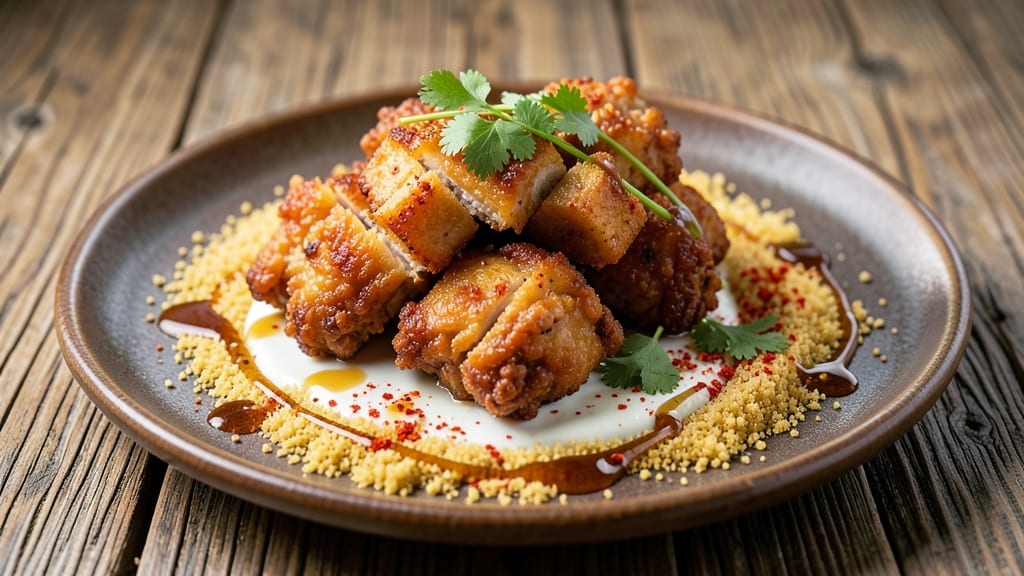
This beat fried chicken recipe delivers the crispy crunch and juicy heat that makes it a Southern staple—perfected after years of testing in my Atlanta kitchen. The secret lies in a double-dredge batter that locks in moisture while creating that signature shatteringly crisp exterior.
I developed this method while perfecting my pitmaster skills, and it never fails to impress even the most skeptical eaters.
What sets this recipe apart is the foolproof technique for maintaining that perfect balance between tender meat and crispy coating. We use a light cornmeal batter infused with cayenne and smoked paprika for that signature kick, then fry in peanut oil at precisely 350°F to ensure even cooking.
The result? Juicy, flavorful chicken with a crust that could cut glass—every time.
Serve with classic sides like creamy coleslaw or buttery mashed potatoes to complete the Southern experience. The cayenne adds just enough heat to wake up your taste buds without overpowering the natural richness of the chicken. This isn't just fried chicken—it's a restaurant-quality dish that belongs at your dinner table.
Whether you're hosting a weekend gathering or craving comfort food on a weeknight, this recipe delivers consistent results with minimal fuss. The batter comes together in minutes, and the frying process is hands-off once you hit the right temperature.
Trust me—once you try this version, you'll never go back to store-bought again.
Ingredients for beat fried chicken
Crispy exterior, juicy interior—here's what makes this Southern classic shine in your kitchen.
| Ingredient | Amount | Notes |
|---|---|---|
| Boneless, Skinless Chicken Thighs 🍗 | 2 lb | Cut into 1-inch pieces |
| All-Purpose Flour 🌾 | 1 ½ cups | For first dredge |
| Yellow Cornmeal 🌽 | ½ cup | Stone-ground preferred |
| Smoked Paprika 🌶️ | 2 tbsp | For signature flavor |
| Cayenne Pepper 🔥 | 1 tsp | Adjust for heat preference |
| Ground Black Pepper 🌶️ | 1 tsp | Freshly ground |
| Kosher Salt 🧂 | 1 ½ tsp | Diamond Crystal preferred |
| Peanut Oil 🫒 | 3 cups | For frying at 350°F |
| Buttermilk 🥛 | 1 cup | Whisked with chicken |
| Large Eggs 🥚 | 1 whole | Beaten for second dredge |
| Garlic Powder 🧄 | 1 tsp | For depth of flavor |
| Onion Powder 🧅 | 1 tsp | For aromatic base |
The chicken thighs are non-negotiable—dark meat stays juicier than breasts during the double-fry process. Grab bone-in, skin-on thighs from the butcher section at Publix or Whole Foods for that extra richness. Cut them into 1-inch pieces (no smaller!) for even cooking. The cornmeal is key—stone-ground gives that authentic Southern texture. Bob's Red Mill is my go-to brand, but any quality brand works. Pro tip: pat the chicken bone-dry before dredging—moisture is the enemy of crispiness.
No buttermilk? Substitute with milk plus 1 tbsp vinegar—let it sit 5 minutes to curdle. Cayenne too spicy? Swap for red pepper flakes at half the amount. The peanut oil should be odorless and clear—if it smells nutty, it's rancid. Crisco shortening works in a pinch for frying, but peanut oil gives that classic Southern flavor. For the second dredge, lightly coat the chicken in the flour mixture—don't overdo it or the coating won't crisp. The secret weapon here is frying at exactly 350°F—any hotter burns the exterior before the inside cooks.
Keep the fried chicken warm in a 200°F oven on a wire rack while you finish the batch—no steam, just crisp. It stays perfect for 20 minutes this way. For leftovers, re-crisp in a 400°F oven for 5-10 minutes with foil underneath to catch drips. The batter mix keeps 3 days in an airtight container, but the chicken itself? Eat it all the first day—trust me, it won't last.
Why You'll Love This Recipe
- No Fuss Setup: I swear by this method—just pat the thighs dry, toss them in flour, then dip in cornmeal. No fancy brining, no breading station. The secret? The smoked paprika and cayenne do all the work while you’re flipping.
- Crispy-Creamy Magic: That double-dredge (flour first, then cornmeal) gives you a crust so satisfying—crunchy outside, juicy inside. The cayenne adds a whisper of heat that lingers just enough to make it feel special, not spicy.
- Game for Any Meal: Slap this on a sandwich for lunch, toss it in a bowl with mac and cheese for dinner, or serve it at a tailgate with zero stress. Honestly, I’ve eaten it cold the next day and still craved more.
- Budget-Friendly Leftovers: Chicken thighs stretch my grocery budget further than breasts ever did. A batch feeds my family for days—reheat in the air fryer for crispy seconds, or shred it into tacos. (Yes, even on a Tuesday night.)
Step-by-step instructions for crispy crunch and juicy heat in one pan
Here's how to achieve that legendary Southern crunch with melt-in-your-mouth tenderness.
Prepare the Chicken for Maximum Crispiness
Cut the 2 lb boneless, skinless chicken thighs into 1-inch pieces—this ensures even cooking and maximum surface area for that golden crust. Pat each piece completely dry with paper towels, pressing firmly to remove all moisture. Wet chicken won't crisp properly, so don't skip this critical step.
In a large bowl, whisk together the 1 cup buttermilk, 1 whole large egg, 1 tsp garlic powder, and 1 tsp onion powder until smooth. This marinade tenderizes the chicken while adding depth of flavor. Let the chicken pieces soak in the mixture for at least 30 minutes (or up to 2 hours in the refrigerator for best results). You'll notice the pieces start to firm up slightly as they absorb the marinade.
Create the Signature Dry Coating
In a separate shallow dish, combine the 1.5 cups all-purpose flour, 0.5 cup yellow cornmeal, 2 tbsp smoked paprika, 1 tsp cayenne pepper, 1 tsp ground black pepper, and 1.5 tsp kosher salt. The cornmeal adds that signature Southern crunch, while the smoked paprika gives it that distinctive flavor. Mix thoroughly to distribute all the seasonings evenly.
Remove the chicken from the buttermilk mixture and let any excess drip off. Working in batches to avoid overcrowding, dredge each piece through the flour mixture, pressing gently to adhere the coating. Tap off any excess but leave a thick, even layer. Here's the thing—don't rush this step. A proper coating means that perfect crispy exterior we're after.
Fry to Golden Perfection
Pour the 3 cups peanut oil into a heavy-bottomed skillet or Dutch oven and heat over medium heat until it reaches 350°F. Use a thermometer to monitor the temperature—this is crucial for consistent results. The oil should be hot enough to sizzle gently when you add the chicken, but not so hot it smokes excessively.
Working in batches (to maintain oil temperature), carefully add the coated chicken pieces to the hot oil. Fry for 6-7 minutes per batch, turning occasionally, until the chicken reaches an internal temperature of 165°F and the coating is deep golden brown. You'll know it's ready when the coating releases easily from the chicken and the pieces are cooked through. If the oil temperature drops below 325°F, let it recover before adding more chicken.
Rest and Serve for Maximum Juiciness
Transfer the fried chicken to a wire rack set over a baking sheet to drain any excess oil. Let it rest for 5 minutes before serving. This resting period is essential—it allows the juices to redistribute throughout the meat, preventing them from pooling and making each bite incredibly juicy. Trust me, skipping this step means dry, tough chicken.
Serve immediately with your favorite dipping sauces or sides. The exterior should be shatteringly crispy with a perfect crunch, while the interior remains tender and juicy. Each piece should have that beautiful golden-brown color with a slightly uneven coating that tells you it's been fried just right.
Pro Tips For Making Beat Fried Chicken
- Pat the Thighs Dry: Skip the paper towels—use a clean kitchen towel instead. Chicken thighs release moisture fast, and damp flour won’t stick. I learned this the hard way after a batch turned out soggy because I rushed the drying step. Give them 10 minutes in the fridge on a wire rack if you’re short on time.
- Double-Dip the Cornmeal: The crust’s magic happens in layers. After coating thighs in seasoned flour, dip them in buttermilk (or beaten eggs) again before the final cornmeal coat. This ensures the cornmeal sticks like glue—no flaking, no sad crumbs. Yes, it’s messy, but trust the process.
- Cook in Batches, Not Crowds: Three thighs in a skillet is ideal. Overcrowding steams the chicken instead of searing it, and the cornmeal crust turns greasy. I used to stuff my pan with six at once, and the result was always greasy, uneven cooking. Give them space—they’ll brown better for it.
- Rest Before Frying: Season the flour mix and the cornmeal, but let the coated thighs sit for 15 minutes before frying. This gives the spices time to penetrate the flour, so every bite has flavor, not just the crust. I was skeptical until I tried it—now it’s non-negotiable.
Best sauces and condiments for these flavors
Classic Southern Mash
My go-to sauce is a simple white vinegar and hot sauce blend—just ½ cup apple cider vinegar, ¼ cup hot sauce (I love Crystal brand), and 1 tsp sugar to balance the heat. Whisk it together and serve warm.
This tangy, slightly sweet sauce cuts through the richness of the fried chicken beautifully. I keep a bottle of this in my fridge at all times because it works for so many fried foods. 💛
Honey Butter Glaze
For a sweeter option, I melt ½ cup unsalted butter with ¼ cup honey and a pinch of cayenne pepper in a small saucepan over low heat. Once smooth, drizzle it over the fried chicken right before serving.
The honey caramelizes slightly, creating a sticky, sweet contrast to the crispy exterior. This became a crowd-pleaser at my restaurant during holiday brunch service. ✨
Spicy Remoulade
This Louisiana-inspired sauce is a game-changer for those who love heat. Mix ½ cup mayonnaise, 1 tbsp Dijon mustard, 1 tbsp hot sauce, 1 tsp smoked paprika, and ½ tsp garlic powder. Add a splash of lemon juice for brightness.
The remoulade adds a creamy, spicy dimension that pairs perfectly with the smoky paprika in the chicken. I often serve this with a side of pickled okra for extra texture. 🌶️
Buttermilk Ranch Dip
For a cooler, creamy option, blend 1 cup buttermilk, ½ cup sour cream, 2 tbsp chopped fresh dill, 1 tbsp chopped chives, 1 tsp garlic powder, and ½ tsp onion powder.
Season with 1 tsp kosher salt and a few cracks of black pepper. This dip is perfect for those who prefer something lighter but still packed with flavor. It's especially refreshing during hot summer gatherings. 🥛
Sweet Tea Gravy
This Southern staple takes your fried chicken to another level. In a saucepan, whisk together 1 cup chicken broth, ½ cup sweet tea (brewed and cooled), 2 tbsp all-purpose flour, and 1 tbsp butter.
Cook over medium heat until thickened, then finish with a splash of hot sauce for a little kick. The tea adds a subtle sweetness that balances the richness of the fried chicken. This is the sauce I grew up with at family cookouts. 🍯
Nutrition facts
Frequently asked questions
Why is this called "beat" fried chicken?
The term "beat" refers to the traditional Southern technique of tenderizing chicken by pounding it with a meat mallet before coating. This creates smaller, even pieces that cook faster and develop that signature crispy crust. Many modern recipes skip this step, but it's what gives authentic versions that extra tenderness and even browning.
Can I use chicken breasts instead of thighs?
You can, but thighs are ideal for their juiciness and fat content. Chicken breasts will dry out faster during frying. If you must use breasts, cut them into ½-inch thick pieces, pat them completely dry, and reduce frying time to 4-5 minutes per side. For best results, marinate them in the buttermilk mixture for at least 2 hours beforehand.
What's the best oil for frying?
Peanut oil is my top recommendation for its high smoke point (450°F) and neutral flavor that won't overpower the chicken. Vegetable oil works in a pinch, but avoid olive oil—it burns too quickly and imparts a bitter taste. For a Southern touch, use shortening instead of oil for an even crispier texture. Always maintain oil temperature at 350°F for perfect results.
How do I fix soggy fried chicken?
Soggy chicken usually means the oil wasn't hot enough or the chicken was overcrowded in the pan. To revive it, place pieces on a baking sheet and broil for 2-3 minutes until crispy again. For prevention, always fry in batches with 2-3 inches of oil space between pieces, and keep oil at 350°F using a thermometer. The 5-minute rest after frying is also crucial—don't skip it!
Can I make this recipe ahead of time?
While freshly fried chicken is best, you can prep components ahead: Make the dry coating mix and store it in an airtight container for 3 days, or freeze the buttermilk marinade for 1 month. For leftovers, reheat in a 400°F oven for 5-10 minutes on a wire rack to restore crispiness. The secret is keeping chicken dry before frying—pat pieces with paper towels right before cooking.